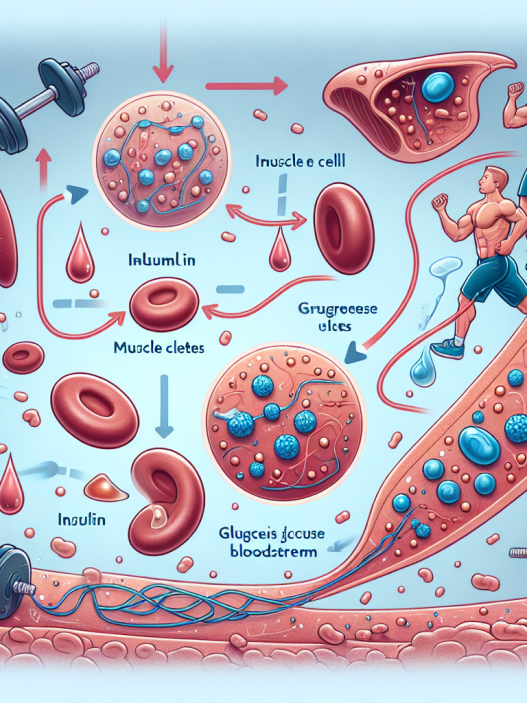
Insulin is a peptide hormone produced by the pancreas that plays a vital role in various bodily functions, including glucose metabolism and muscle growth. It is often misunderstood, especially in the context of bodybuilding and fitness. Understanding how insulin influences muscle growth can help athletes and fitness enthusiasts optimize their training and nutrition strategies.
If you are planning to buy steroids, we guarantee you a comfortable service.
How Insulin Affects Muscle Growth
Insulin contributes to muscle growth in several significant ways:
- Facilitates Nutrient Uptake: Insulin helps transport glucose and amino acids into the muscle cells, which are essential for energy production and muscle repair.
- Stimulates Protein Synthesis: Insulin plays a direct role in promoting protein synthesis, which is critical for muscle repair and growth following exercise.
- Inhibits Protein Breakdown: Insulin also acts to reduce the rate of protein breakdown in muscles, helping to maintain a positive net protein balance.
- Enhances Muscle Recovery: Post-workout, insulin aids in replenishing glycogen stores in muscles, crucial for recovery and preparation for future workouts.
The Importance of Timing and Nutrition
For optimal muscle growth, the timing of insulin release is key. Consuming carbohydrates and protein together, especially around workout times, can stimulate insulin secretion, enhancing nutrient uptake in muscles. Here are some tips for maximizing insulin’s role in muscle growth:
- Consume a balanced post-workout meal or shake within 30 minutes of finishing your workout.
- Include both simple and complex carbohydrates to ensure immediate and sustained insulin release.
- Incorporate high-quality protein sources to support muscle repair and growth.
Conclusion
Insulin is an essential hormone for muscle growth, affecting nutrient uptake, protein synthesis, and recovery. Understanding how to work with insulin through nutrition and timing can make a significant difference for those looking to enhance their muscle-building efforts. Always consult with a healthcare professional or nutritionist for personalized advice tailored to your specific needs.